
2026-08-29 ·
How To Choose Energy-Efficient Lighting For La Pine Cabins
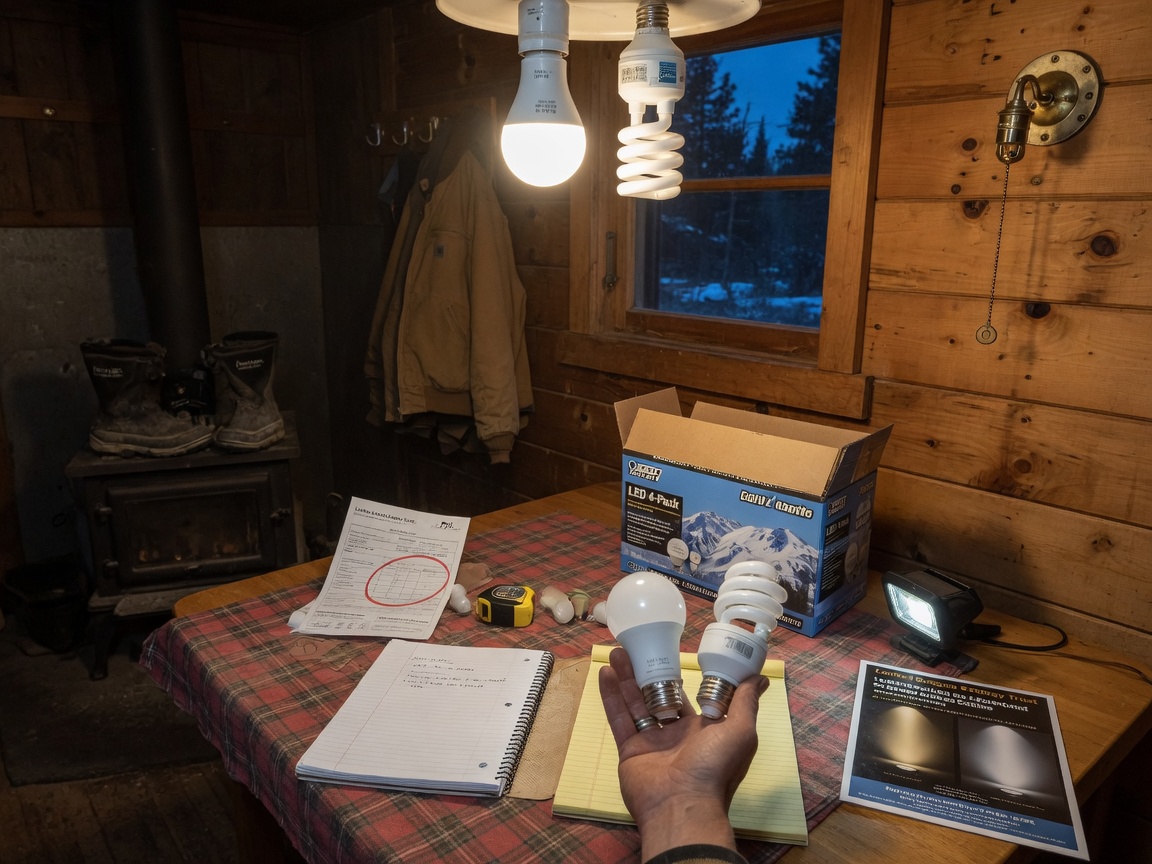
Choosing energy-efficient lighting for La Pine cabins starts with LED fixtures and bulbs that deliver 800–1600 lumens from 8–15 watts, a 2700K–3000K warm-white color temperature, CRI of 80 or higher, and rated life of 15000–25000 hours. Those specs keep draw low on the modest panels common in Deschutes County vacation cabins while giving the warm glow people expect after dark winters near the Little Deschutes River. Incandescent or halogen replacements waste heat and overload older circuits; LEDs do not. Match lumen output to room size rather than chasing wattage, then confirm the fixture can handle the high-desert temperature swings from below-freezing nights to warm summer days.
Assessing Cabin Wiring And Seasonal Load In Deschutes County
Cabins around Downtown La Pine and the river corridor often sit on 100-amp or smaller services originally sized for lights and a well pump, not modern loads. Adding high-wattage fixtures or leaving old dimmers in place can trip breakers once winter temperatures drop and occupants run space heaters alongside lighting. Walk the panel first: note breaker sizes, any rust from freeze-thaw cycles, and whether the cabin is used year-round or only weekends. Lower-wattage LEDs reduce continuous draw, which matters when the same circuit also feeds a well or baseboard heat. Dust and dry air in the high desert also coat sockets; sealed LED fixtures with gaskets last longer than open incandescent cans. If the wiring looks original to a 1970s–1990s build, schedule an electrical inspection before swapping dozens of fixtures so you know which circuits can actually accept the new load. Outdoor runs to decks facing La Pine State Park need wet-location ratings because snow melt and river humidity find every unsealed knockout.
Matching Lumens, Kelvin, And CRI To Cabin Rooms
Living areas and kitchens in La Pine cabins typically need 1500–3000 total lumens depending on square footage and dark wood interiors that absorb light. A 10–12 watt LED A19 at 800 lumens works for a bedside lamp; a 15 watt BR30 at 1100–1300 lumens fills a vaulted great room without glare. Stay at 2700K–3000K so the light feels like the old incandescents rather than the 4000K+ that looks institutional against knotty pine. CRI 80+ keeps wood tones and river-view colors accurate; cheaper 70 CRI LEDs make everything look washed out. For bathrooms, choose 90 CRI if possible because makeup and first-aid tasks happen under those fixtures. Dimmable LEDs require compatible trailing-edge dimmers; the old rotary dimmers still found in many Sunriver-area cabins will flicker or buzz. Recessed cans in cathedral ceilings benefit from IC-rated LED modules that stay cool even when insulation is packed around them after a winter retrofit. Plan 1 fixture per 50–75 square feet in main rooms, then add task lighting rather than over-lighting the whole space.
Outdoor And Weather-Rated Choices For High-Desert Cabins
Porch, path, and landscape lighting must survive freeze-thaw, UV, and blowing dust between La Pine and Bend. Use fixtures marked wet-location or IP65+, with LED modules rated for -20 F operation so they start on the coldest January nights. 400–800 lumens per fixture is enough for a deck overlooking the Little Deschutes; more just creates glare and insect attraction in summer. Photocells or simple timers beat leaving lights on all night when the cabin sits empty. For security, a 1500–2000 lumen flood on a motion sensor covering the driveway uses far less energy than an always-on 100-watt halogen. Landscape runs along gravel or volcanic soil need low-voltage LED tape or spikes; the dry climate means less corrosion but more abrasion on exposed cable. Pair any new outdoor work with proper outdoor lighting installation so boxes stay above snow line and GFCIs protect wet circuits. Avoid cheap solar path lights; they fail after one or two high-desert winters when batteries cannot hold charge in the cold.
Installation Details That Actually Last Here
When you replace fixtures, use LED-ready housings or retrofit kits rather than stuffing LED bulbs into old porcelain sockets that overheat. Cabins with vaulted ceilings often need recessed lighting installation with airtight, IC-rated cans so heat does not escape into the attic during winter. Seal every penetration; the temperature swing from 20 F nights to 80 F days pumps moist air through unsealed boxes and condenses inside fixtures. Choose fixtures with replaceable LED modules instead of sealed-for-life units so a single failure does not require a ladder trip in January. For whole-cabin upgrades, group circuits by use—living, sleeping, exterior—so a tripped breaker does not darken everything. If the cabin is in Downtown La Pine or along the river, check that new fixtures clear snow-load on eaves and that photocells face north to avoid false triggers from low winter sun. Professional lighting installation also confirms that existing dimmers and three-way switches will work with the chosen LEDs rather than causing flicker. Work is available Monday–Friday 8am–6pm and Saturday 9am–2pm from the shop at 15682 Sunrise Ridge Blvd so winter daylight hours can still be used for ladder work.