
2026-08-29 ·
When To Call For Electrical Inspection After Buying A La Pine Property
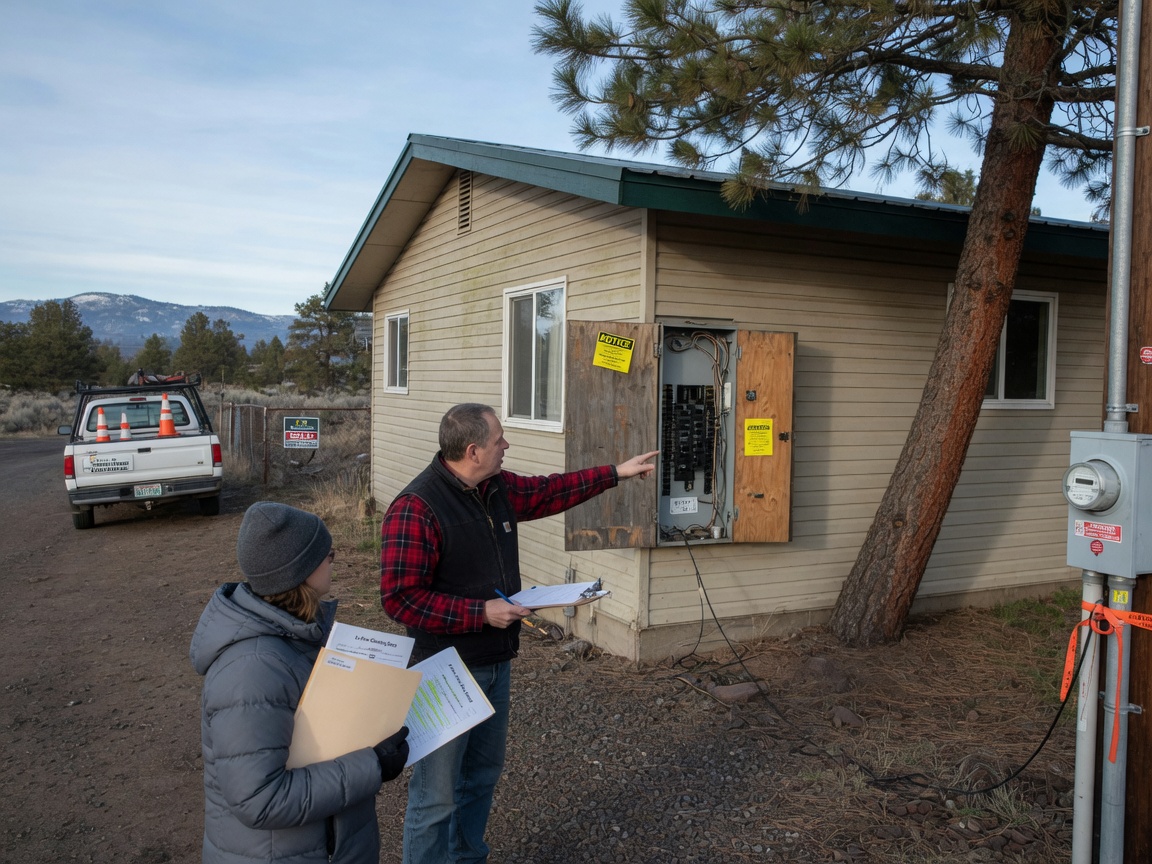
Call for an electrical inspection as soon as you have access after buying a La Pine property—ideally during the inspection period before closing, or within 7–14 days of taking possession. Do not wait through a full heating season. Deschutes County houses range from older Downtown La Pine cabins and manufactured homes to newer builds near Sunriver; many still carry original panels, aluminum branch wiring, or undersized services that only show problems once winter loads hit. A licensed electrician walking the system now catches overloaded breakers, ungrounded outlets, and moisture issues around the Little Deschutes River corridor before they become emergencies.
Why La Pine Homes Need Prompt Electrical Checks After Purchase
High-desert housing stock in La Pine and nearby Bend and Sunriver often dates to mid-century cabins, 1970s–1990s manufactured homes, and incremental additions that never received a full service upgrade. Those properties sit on volcanic soils that shift slightly with freeze-thaw cycles; that movement loosens connections at the meter, panel lugs, and outdoor disconnects. Cold winters drive electric heat, well pumps, and space heaters onto circuits that were never designed for simultaneous load. Warm summers then bring irrigation pumps and window units. An inspection right after purchase documents the actual condition—not the seller’s memory—so you know whether the 100-amp or 200-amp service can handle the house you just bought. Walk-throughs in Downtown La Pine frequently reveal two-prong receptacles, missing GFCIs in bathrooms and kitchens, and panels stuffed with mixed breaker brands. Catching that before the first snow means you can plan home rewiring or a panel upgrade on your timeline instead of during a January outage. The same visit also flags rodent-chewed NM cable in crawl spaces common along the river, something a general home inspector often misses.
Signs You Should Not Wait After Closing
Do not delay if the property shows any of these on day one: flickering lights when the well pump or furnace kicks on, a panel that feels warm, breakers that will not reset, or outlets that spark. In manufactured homes typical of La Pine, look for original fuse boxes or Federal Pacific and Zinsco panels that have a documented history of failure. Smell of overheated insulation, discolored receptacle faces, or GFCI buttons that will not trip are immediate red flags. After a windstorm—common on the high desert—check for loose service drops and damaged mastheads; those conditions are covered in our related piece on inspecting electrical systems after a La Pine windstorm. If the seller left a generator or solar array, verify the transfer switch and interlock before you rely on it. Any of these signs means schedule a dedicated electrical inspection rather than waiting for the next convenience. Waiting until the first deep freeze simply multiplies repair cost and safety risk. Document everything with photos so you have a baseline if you later need to discuss seller disclosures or insurance.
Timing Around High Desert Seasons And Housing Stock
Schedule the inspection before the first hard freeze if you close in fall; once winter temperatures drop, electric heat and well pumps run constantly and hide intermittent faults until something trips. Spring closings should still happen within 14 days because snowmelt around La Pine State Park and the Little Deschutes River can raise ground moisture and expose corroded underground feeders. Summer buyers have more daylight for attic and crawl-space work but still need to test air-conditioning circuits and irrigation pumps under load. Older Downtown La Pine homes and Three Rivers cabins often have knob-and-tube remnants or cloth-insulated NM that becomes brittle in the dry climate; those materials fail faster once occupancy and modern loads begin. Manufactured homes from the 1970s–1980s frequently need AFCI and GFCI upgrades that current code expects. An inspection timed to the season also lets you plan outdoor work—service mast, generator hookup, or landscape circuits—before snow covers the yard. We work Monday–Friday 8am–6pm and Saturday 9am–2pm from 15682 Sunrise Ridge Blvd, so you can book around closing without guessing at availability.
What A Post-Purchase Inspection Typically Covers
A thorough visit starts at the meter and service entrance, then moves to the main panel: torque on lugs, breaker type and age, grounding electrode system, and available spare capacity. Inside, every receptacle, switch, and lighting circuit is tested for polarity, grounding, and GFCI/AFCI function. Bathrooms, kitchens, garages, and outdoor receptacles get extra attention because moisture and the high-desert freeze-thaw cycle destroy cheap devices. Attic and crawl-space wiring is checked for rodent damage, improper splices, and missing junction-box covers—common in older La Pine manufactured homes. We also look at well-pump circuits, electric water heaters, and any generator or solar interconnection. The written report lists deficiencies by priority so you can decide what to fix immediately versus what to budget over 12–24 months. If the house needs a full service upgrade or circuit breaker repair, you leave with clear next steps rather than a vague “have an electrician look at it.” That documentation also helps if you later add an EV charger or whole-house surge protection. Readers dealing with older manufactured stock should continue with our article on common electrical issues in older La Pine manufactured homes.
Next Steps If Issues Turn Up
Once you have the report, prioritize anything that creates a shock or fire hazard: ungrounded three-prong outlets, overloaded shared neutrals, and missing smoke-detector circuits. Next come capacity items—undersized service, aluminum branch wiring, or a panel that cannot accept modern breakers. Then plan convenience upgrades such as additional kitchen circuits or outdoor lighting. Get written quotes that separate labor, materials, and permit fees so you can compare apples to apples. If the house is in Downtown La Pine or along the river, factor extra time for access and possible trenching in rocky soil. Keep the original inspection report; it becomes your baseline for future work and insurance questions. Address emergencies through emergency electrical repair rather than living with a tripped main or flickering heat. Most buyers who inspect within the first two weeks avoid the scramble of discovering a failed well pump or dead furnace circuit on the first cold night. That sequence—inspect, prioritize, schedule—turns a new La Pine property from an unknown into a house you understand.