
2026-08-29 ·
Why Outlets Stop Working After Heavy Snowfall
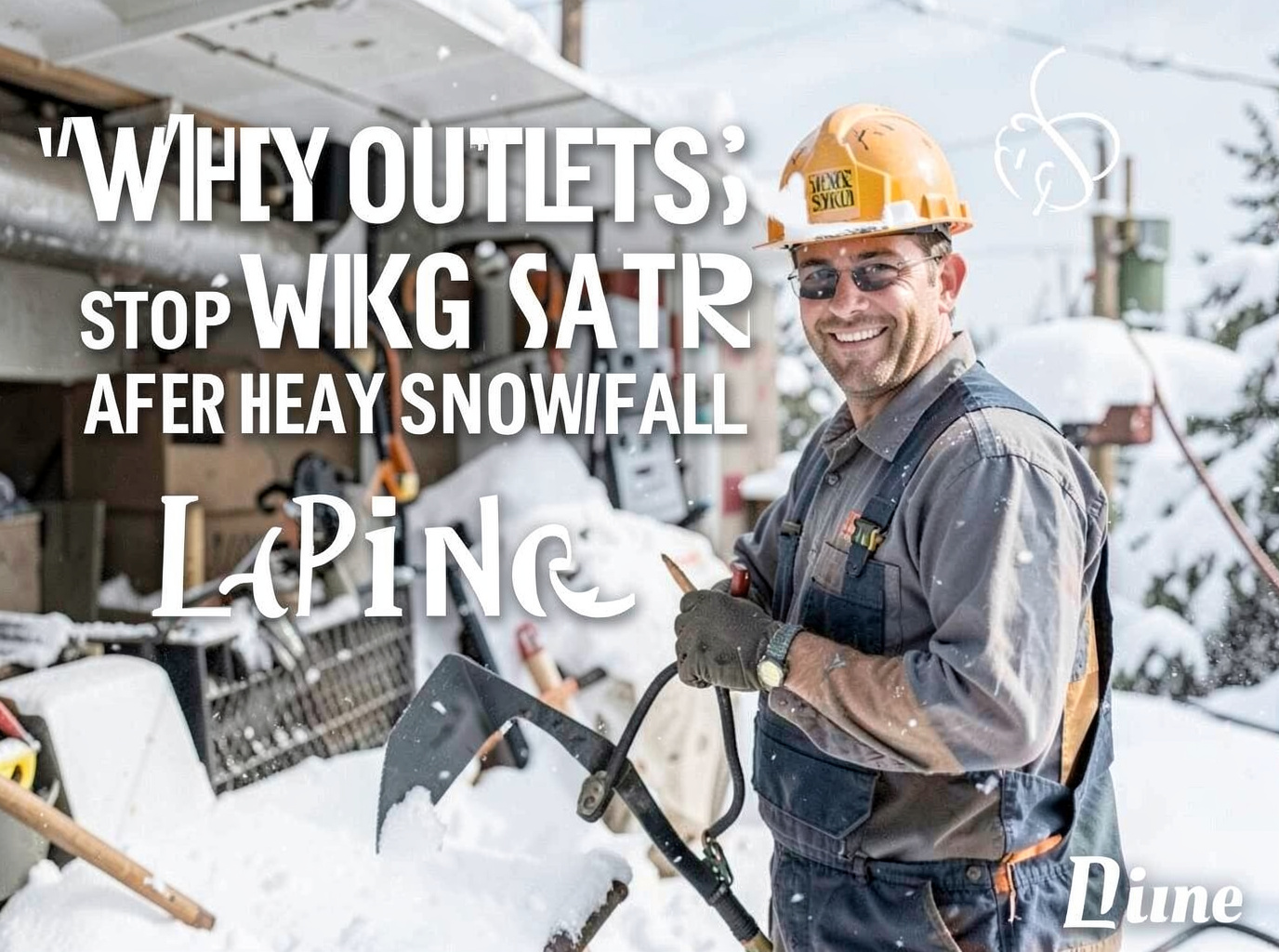
After a heavy snowfall in La Pine, outlets usually stop working because meltwater and condensation reach outdoor boxes, garage receptacles, and poorly sealed wall cavities, tripping GFCI or AFCI devices and sometimes shorting a circuit. In Deschutes County’s high desert, cold winters followed by warm daytime sun create freeze-thaw cycles that push moisture into crawlspaces and older ranch wiring common around Downtown La Pine, near La Pine State Park, and along the Little Deschutes River. Extra space-heater use on the same circuits then finishes the job by overloading breakers that were already marginal. The failure is rarely “the outlet itself” and more often moisture plus load on 1960s–1990s stock that was never designed for today’s winter draw.
Moisture, Meltwater, And GFCI Protection After A Storm
Snow piled against siding, decks, and foundation vents does not stay frozen. Once winter temperatures drop and then rebound, meltwater runs down walls and into outdoor receptacles, GFCI-protected garage circuits, and bathroom outlets that share a wet-location trip. In La Pine that pattern is typical after storms that dump on the high desert and then sit under bright sun. Water films on contacts, the GFCI senses imbalance, and every downstream outlet goes dead even if the breaker in the panel looks fine. Homes closer to the Little Deschutes River and low spots near Downtown La Pine see more splash and drifting against the foundation, so garage and exterior circuits fail first. A tripped GFCI button that will not reset, or a reset that holds only until the next melt, is the usual fingerprint. If the device itself is old or the box is not weather-tight, replacement with a proper GFCI outlet installation is often the durable fix rather than repeated resets. Indoor outlets on the same circuit can go dark because one wet outdoor device is protecting a whole string. That is why a dead living-room receptacle after snow often traces to a garage or patio GFCI, not a broken indoor device.
Freeze-Thaw, Condensation, And Rural Housing Stock
La Pine housing is a mix of modest ranches, cabins, and later additions, many with crawlspaces, uninsulated rim joists, and original NM cable that has seen decades of Deschutes County winters. Warm indoor air meeting cold wall cavities after a storm produces condensation on boxes and splices. Ice that formed in an exterior box thaws, drips, and refreezes, stressing connections until they open. Terrain around La Pine State Park and the river corridor holds snow longer on north sides, so those walls stay wetter. Soil that freezes and heaves can also tug on conduit or buried feeders serving detached shops, which then show up as dead outlets after the thaw. None of this requires a lightning strike; it is ordinary high-desert weather acting on aging terminations. When several rooms lose power at once, the problem is often a shared circuit that picked up moisture at one point, not five independent outlet failures. An electrical troubleshooting visit that starts at the first dead GFCI and works back to the panel is faster than swapping every receptacle. Homes in Downtown La Pine with original panels see this pattern more than newer Sunriver or Bend infill because the wiring age matches the climate stress.
Heater Load, Breakers, And Why Snow Weekends Go Dark
Cold snaps after heavy snow send occupants to plug-in heaters, electric blankets, and extra lighting. A 1500-watt heater on a 15-amp circuit that already runs a fridge, TV, and lamps will trip. In rural Deschutes County homes the same 15-amp or 20-amp branch often serves a whole wing, so one extra load kills outlets that seemed fine yesterday. Breakers that have been heat-cycled for years can also fail to reset cleanly after a trip. That is distinct from moisture but it clusters with snow because people heat more when the power of the storm is still on the ground. If outlets die only when heaters are on, the circuit is overloaded or the breaker is weak, not “snow in the wires.” Related patterns show up in what causes frequent breaker trips in rural Oregon homes. A panel that is already near capacity is a candidate for later circuit breaker repair or an upgrade, but the immediate snow-week failure is usually the extra 12–15 amps of heat on a tired branch. Do not keep resetting a breaker that trips within minutes; that heat is damaging the bus.
Outdoor Boxes, Landscape Circuits, And Snow Against The House
Exterior outlets, holiday lighting, and landscape circuits take the first hit when drifts bury boxes or when ice dams form at eaves. Water follows cable jackets into the box, corrosion starts, and the next GFCI or AFCI trip takes the indoor string with it. Preparing those circuits before the season is covered in preparing outdoor lighting for La Pine snow season; after the fact, the work is drying, replacing damaged devices, and sealing. Covers that were left open, in-use covers that cracked in last year’s freeze, and boxes mounted too low all show up after a big dump. Near the river and park, wind-driven snow packs tighter against west and north walls. If only outdoor and garage outlets fail, start there before opening interior walls. Never chip ice off a live box; kill the breaker first. If the home also has a generator or transfer switch, confirm that snow did not wet those connections either, because a wet transfer can drop selected circuits while the rest of the house looks normal.
What To Do First, And When It Is An Emergency
Reset GFCIs at the device, then at the panel, once. If they will not hold, leave them off. Unplug space heaters and anything that was added after the storm. Check for water in outdoor boxes you can see without climbing. Smell for burnt plastic at the panel. If several circuits are dead, there is standing water near electrical gear, or you smell heat, treat it as emergency electrical repair rather than a DIY afternoon. La Pine Electrician Pros works from 15682 Sunrise Ridge Blvd, La Pine, OR 97739, Monday–Friday 8am–6pm and Saturday 9am–2pm; after hours the same moisture-and-load pattern still applies, it just needs a safer response. Do not run extension cords under rugs or through snow to “get by.” Once the snow melts, a dry-out and a targeted repair of the wet device or overloaded branch usually restores outlets without a full rewire, unless the house already had failing aluminum or damaged NM that the storm merely exposed.